How Brands Are Finding New Ways To Reach Their Audiences Amid A Shifting Media Landscape
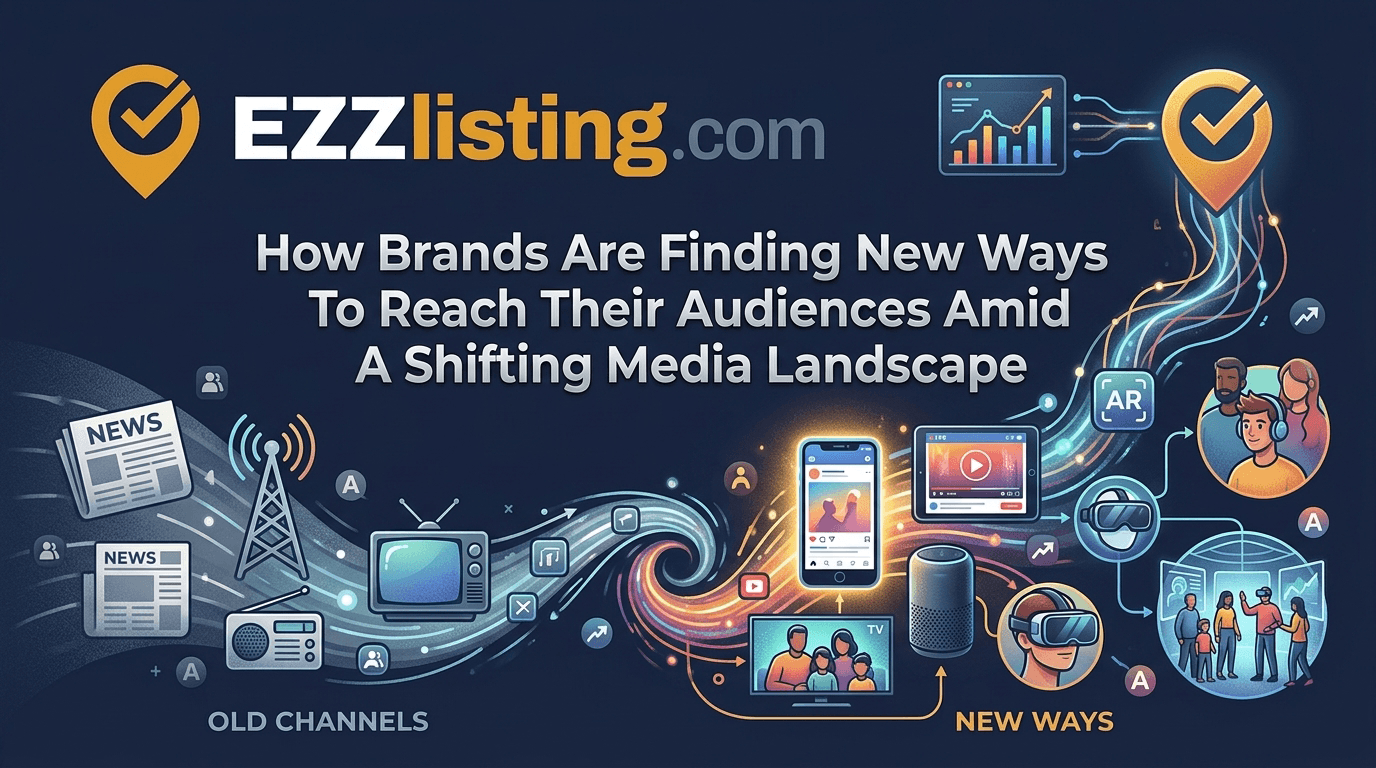
A few years ago, reaching an audience was fairly simple: post on social media, buy some ads, rank on Google. Today every one of those channels is shifting under brands' feet. Algorithms change without warning, ad prices keep rising, privacy rules limit tracking, and more people are asking AI tools for answers instead of scrolling through search results.
The brands that are winning aren't the ones shouting louder. They're the ones changing where and how they show up. Here's what that looks like — and how a local business can use the same ideas on a small-business budget.
Why the old playbook stopped working
Organic social reach keeps shrinking
Platforms prioritize content from friends, creators, and paid posts. A business page with thousands of followers can post and reach only a small slice of them. Building an audience on land you don't own means the landlord sets the rules.
Paid ads cost more and track less
More advertisers compete for the same attention, and privacy changes have made it harder to target and measure. Many brands are paying more for results they can't fully see.
Search is turning into answers
People now ask AI assistants and see AI summaries at the top of search results. Instead of ten blue links, a customer may get one short answer — and only the businesses that are clearly described across the web get mentioned.
Attention is split across more places than ever
Short video, podcasts, newsletters, streaming, group chats, community forums. There is no single "channel" that reaches everyone anymore.
How brands are adapting
1. Owning their audience
Brands are putting more effort into channels they control: email lists, text lists, their own websites, and loyalty programs. A follower on a platform can disappear overnight. An email subscriber or a repeat customer can't be taken away by an algorithm update.
2. Getting found everywhere customers look
Instead of betting on one channel, brands make sure their name, details, and reputation are consistent across many trusted places — directories, review sites, maps, industry lists, and partner sites. Every consistent mention is another signal to search engines and AI tools that the business is real, active, and relevant.
3. Leaning into trust over reach
Customers trust other customers more than ads. That's why reviews, testimonials, real photos, and word of mouth carry more weight than ever. Brands are actively asking for reviews and replying to them — good and bad — in public.
4. Partnering with creators and communities
Rather than one big campaign, brands work with smaller creators, local influencers, and community groups whose audiences already trust them. It's less about mass reach and more about the right reach.
5. Going local and specific
Big brands are running neighborhood-level campaigns, local events, and location-specific pages because "near me" intent converts. Someone searching for a service in their ZIP code is ready to act — not just browsing.
6. Publishing genuinely useful content
Guides, how-tos, FAQs, and honest comparisons help customers make decisions. They also give search engines and AI assistants something concrete to quote. Helpful content keeps working long after an ad campaign ends.
7. Measuring what actually matters
With less tracking data, brands focus on direct signals: calls, bookings, website visits, form fills, and repeat customers — not vanity metrics like impressions.
What this means for local businesses
The good news: most of these strategies don't require a big marketing budget. In fact, local businesses have an advantage — they're already part of a real community. Here's how to apply the playbook:
- Build your own list. Collect emails or phone numbers from customers (with permission)
and stay in touch with specials and updates. - Claim and complete your listings. Make sure your business name, phone, address, hours, and website are identical everywhere they appear. - Ask every happy customer for a review. Then reply to each one. - Show the ZIP codes you actually serve. Customers want businesses that can come to them, and clear service areas help you show up in the right local searches. - Earn backlinks. Links from trusted directories and local sites help your website rank and help AI tools recognize your business. - Post real photos and real offers. Specials and fresh photos give people a reason to choose you today. - Track calls and visits. Know which places are actually sending customers.
Where EZZlisting fits in
EZZlisting.com was built for exactly this shift. It's a free local directory that matches customers with businesses that serve their ZIP code — so the people who find you are people you can actually help.
With a free listing you get:
- A public business profile with your phone, website, hours, photos, and reviews
- Up to 3 service pages in Local Services
- Free job and gig posts on Local Jobs
- A free backlink to your website
- A dashboard showing profile views, search appearances, and call clicks
It takes under a minute, and no credit card is required.
The bottom line
The media landscape will keep changing. Platforms will rewrite their algorithms again, ad prices will move, and AI search will keep evolving. The brands that come out ahead are the ones that own their audience, show up consistently wherever customers look, and earn trust one customer at a time.
You don't need a big budget to do that — you need to be easy to find and worth choosing.
Ready to get found by local customers? List your business free →
Get found by local customers — and earn a free backlink to your site.